Mahmood Mamdani
Research Interests
Slavery, Colonialism, Race, Racial Capitalism, Empires, States, Sovereignties, Institutions, Law, Governmentality
Biography
Mahmood Mamdani is the Herbert Lehman Professor of Government at Columbia University. He previously served as professor and executive director of the Makerere Institute of Social Research (2010–2022) in Kampala, Uganda, where he established an interdisciplinary doctoral program in Social Studies. He received his PhD from Harvard University in 1974 and specializes in the study of colonialism, anti-colonialism, and decolonisation. His work explores the intersection between politics and culture, the comparative study of colonialism since 1452, the history of civil war and genocide in Africa, the Cold War and the War on Terror, the history and theory of human rights, and the politics of knowledge production.
Prior to joining the Columbia faculty, Mamdani taught at the University of Dar es Salaam in Tanzania (1973–1979), Makerere University in Uganda (1980–1993), and the University of Cape Town (1996–1999).
He has received numerous awards and recognitions, including being named one of the "Top 20 Public Intellectuals" by Foreign Policy (US) and Prospect (UK) magazines in 2008. In 2021, he was named among "The World's Top 50 Thinkers" by Prospect magazine. Most recently, he received the 2026 Malcolm X & Dr. Betty Shabazz Vanguard Award, which recognizes individuals who have made significant contributions to social justice and human rights.
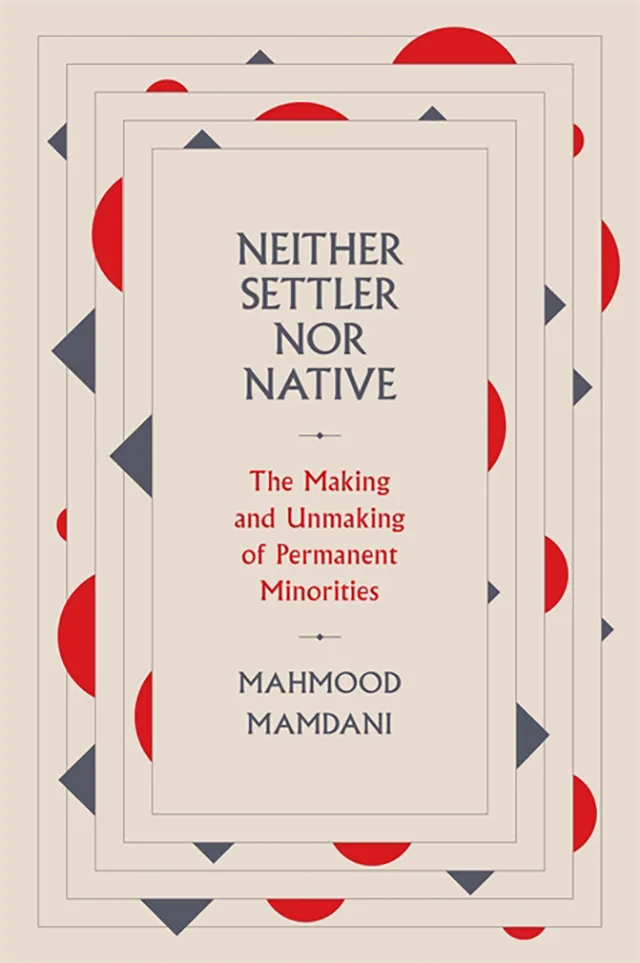
His latest book, Slow Poison: Idi Amin, Yoweri Museveni, and the Making of the Ugandan State (Harvard University Press, 2025), examines Uganda's postcolonial political history through the leadership of Idi Amin and Yoweri Museveni, exploring the enduring legacies of colonial rule, political violence, and the challenges of nation-building. His previous book, Neither Settler Nor Native: The Making and Unmaking of Permanent Minorities (Harvard University Press, 2020), was shortlisted for the 2021 British Academy Book Prize for Global Cultural Understanding and named a World History finalist for the Association of American Publishers' PROSE Awards.
From 1998 to 2002, Mamdani served as President of CODESRIA (Council for the Development of Social Science Research in Africa). His essays have appeared in the New Left Review and the London Review of Books, among other journals.
His courses include: Major Debates in the Study of Africa; the Modern State and the Colonial Subject; the Cold War and the Third World; the Theory, History, and Practice of Human Rights; Civil Wars and the State in Africa; Pre-Atlantic Slavery – Africa and Asia; and Settlers and Natives.
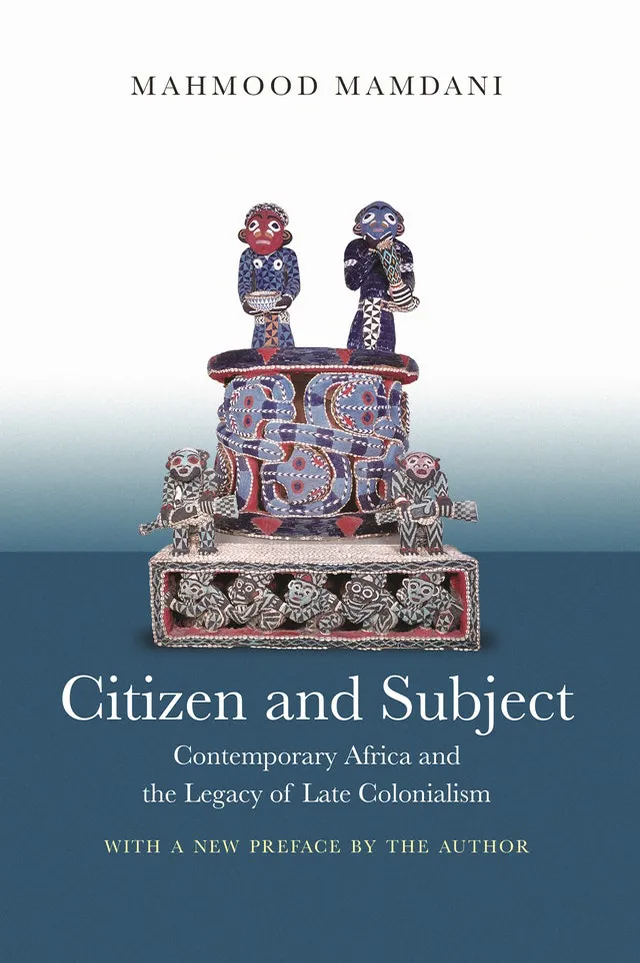
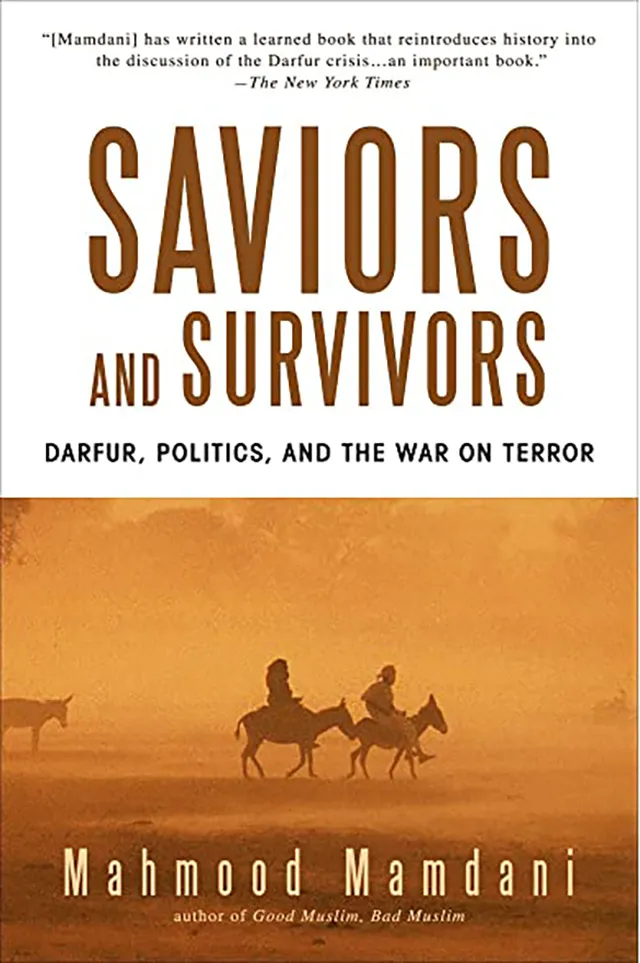
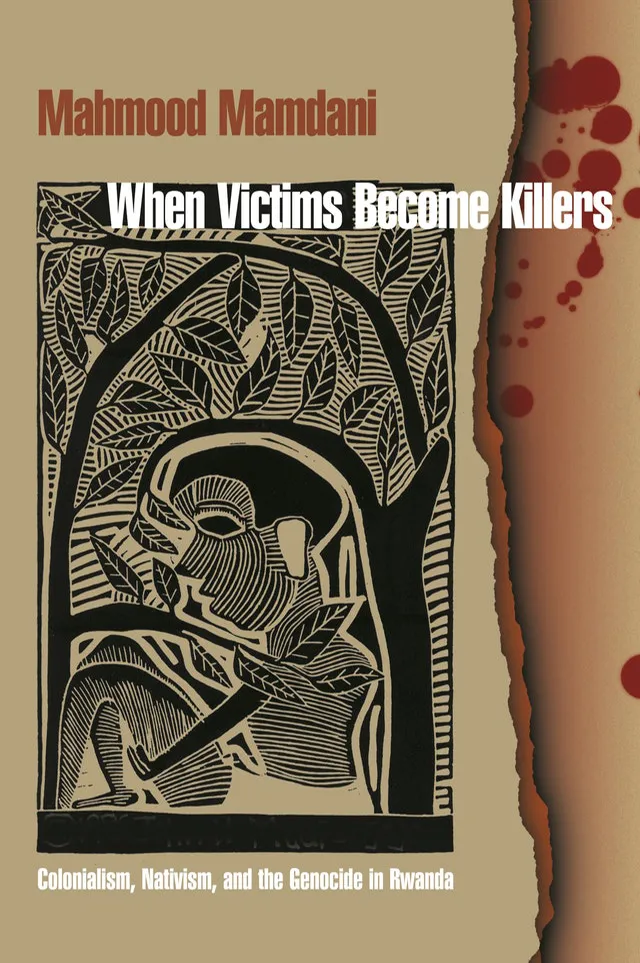
Mamdani's books include Slow Poison: Idi Amin, Yoweri Museveni, and the Making of the Ugandan State (2025); Neither Settler Nor Native: The Making and Unmaking of Permanent Minorities (2020); Saviors and Survivors: Darfur, Politics, and the War on Terror (2009); Good Muslim, Bad Muslim: America, the Cold War and the Roots of Terror (2004); When Victims Become Killers: Colonialism, Nativism and Genocide in Rwanda (2001); Citizen and Subject: Contemporary Africa and the Legacy of Late Colonialism (1996), which was awarded the Herskovits Prize of the African Studies Association; Politics and Class Formation in Uganda (1976); From Citizen to Refugee (1973); and The Myth of Population Control: Family, Class and Caste in an Indian Village (1972).